

Veneers Aftercare: How to Look After Your New Smile
Ceramic veneers do not decay, but the teeth and gums around them still do. How long your veneers last depends far more on what happens in the years after you fly home than on the day they were fitted. This guide covers the first days, everyday cleaning and the habits that shorten or lengthen a veneer's life.
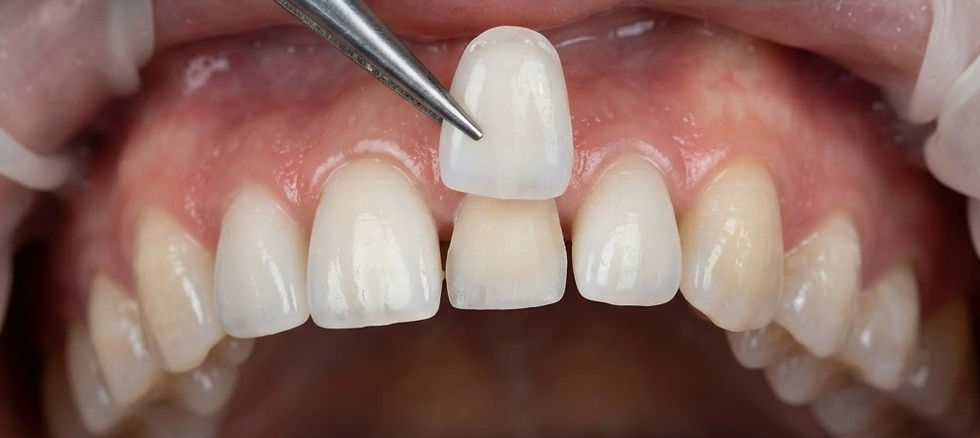
The First Few Days After Your Veneers Are Fitted
It is normal for your bite to feel slightly different and for the new edges to feel strange to your tongue for a few days. Most people stop noticing them within a week.
Some teeth feel sensitive to cold for a few days, especially if a little enamel was prepared. This usually settles on its own. If sensitivity is getting worse rather than better, or one tooth aches when you bite, tell us, because the bite may need a small adjustment.
Your gums can be a little sore where the veneer edges meet them. Gentle brushing and warm salt-water rinses help.
What You Can Eat and Drink
You can eat normally once the anaesthetic has worn off. The bonding cement is fully set when you leave the chair.
Ceramic does not stain, but the thin line of cement at the edge can pick up colour over time from coffee, tea, red wine and smoking. Rinsing with water after dark drinks is a simple habit that helps.
The bigger risk is biting force on the front teeth: opening packets with your teeth, biting nails or pens, cracking nuts, or biting straight into very hard food such as whole apples or crusty bread with the front teeth. Cut hard food into pieces and chew with the back teeth.
Cleaning Around Veneers Every Day
Brush twice a day with a soft or medium brush and a normal fluoride toothpaste. Avoid very abrasive whitening pastes and charcoal powders; they do not whiten ceramic and can dull the glaze over time.
Clean between the teeth once a day with floss or interdental brushes. Gum inflammation at the veneer edges is the most common reason veneers start to look less natural, because swollen or receding gums expose the margin.
An electric toothbrush and a water flosser are useful but not essential. What matters is reaching the gum line every day.
Grinding, Clenching and Night Guards
Grinding at night puts much more force on teeth than chewing. If you grind or clench, or if your old teeth show flat, worn edges, a hard night guard protects the veneers while you sleep.
Many patients do not know they grind. Signs include a tired jaw in the morning, headaches at the temples, or a partner who hears it. Ask us whether you need a guard before you leave Istanbul.

Check-Ups When You Are Back Home
See a local dentist or hygienist every six months, as you would without veneers. Tell them you have ceramic veneers so they use suitable polishing paste and avoid aggressive scaling at the edges.
You can send us photos at any time if something looks or feels different. Many small issues, such as a rough edge or a little staining at the margin, can be judged from good photos.
What to Do If a Veneer Chips or Comes Off
If a veneer comes off completely, keep it in a small box and do not try to glue it back yourself. In many cases the same veneer can be cleaned and rebonded.
A small chip at the edge can often be polished or repaired with composite. A larger crack usually means the veneer needs to be remade. Send us a photo first so we can tell you what is likely to be needed.
Frequently Asked Questions
How long do veneers last with good care?
Well-made ceramic veneers often last 10 to 15 years or more. Gum health, grinding and accidents are the main things that shorten their life.
Can I whiten my veneers later?
No. Ceramic does not respond to whitening. If you want your natural teeth whiter, whiten them before the veneer shade is chosen.
Is it normal for veneers to feel thick at first?
Yes, for a few days. If they still feel bulky after two weeks, or your speech has not settled, send us a message.
Can I drink coffee with veneers?
Yes. The ceramic itself does not stain. Rinsing with water afterwards helps keep the cement line clean.
Do I need special toothpaste?
No. A normal fluoride toothpaste is fine. Avoid highly abrasive whitening or charcoal products.
Can any dentist repair my veneers?
Yes. Polishing, small repairs and rebonding can be done by a general dentist in your home country. Larger remakes are planned case by case.
If you are still deciding, start with our main veneers in Istanbul guide or send your 5 photos on WhatsApp for a personal plan.
REQUEST A QUOTE
